How to Choose the Right Glass Liquor Bottle for Your Spirits Brand
Article release time:11 2026 Pageview:2
How to Choose the Right Glass Liquor Bottle for Your Spirits Brand
Choosing the right glass liquor bottle is more than a packaging decision. The bottle shape, glass clarity, weight, closure, and decoration all influence how consumers perceive a spirits brand before they even taste the product.
For whiskey, vodka, gin, tequila, rum, and other spirits, packaging plays an important role in brand positioning, shelf appeal, and product differentiation. Whether you are launching a new spirits brand or upgrading an existing product line, selecting the right glass bottle can help balance aesthetics, functionality, production costs, and supply reliability.
In this guide, we explain the key factors to consider when sourcing glass liquor bottles for commercial production.
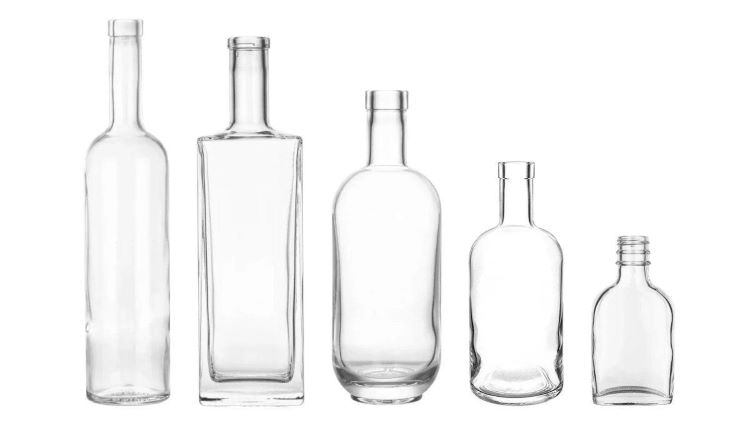
1. Choose a Bottle Shape That Matches Your Spirits
Different spirits categories often have different packaging styles. Selecting a bottle that matches your product positioning is the first step toward building a recognizable brand.
Whiskey & Bourbon Bottles
Square shoulders, thick glass bases, and premium stopper closures create a traditional, substantial appearance.
Vodka Bottles
Tall, clean, minimal designs are popular for vodka brands seeking a modern and refined presentation.
Gin Bottles
Distinctive shoulders, embossed details, and elegant proportions help gin packaging communicate botanical character.
Tequila & Rum Bottles
Strong silhouettes, textured surfaces, and decorative closures can create a distinctive identity and premium shelf presence.
A bottle does not necessarily need a completely new shape to stand out. A stock bottle with a customized logo, color coating, label, or closure can also create a distinctive brand appearance.
2. Glass Clarity and Quality Matter
The appearance of glass directly influences the perceived quality of the product inside.
For premium spirits, buyers commonly look for:
High glass transparency and clarity
Consistent color and appearance
Smooth surface finishing
Uniform bottle dimensions
Stable base and verticality
Good compatibility with filling and capping equipment
Super Flint glass is often selected for premium spirits packaging because its high clarity helps showcase the color of whiskey, cognac, rum, and other spirits while creating a clean and refined appearance.
For brands that use clear spirits or colorful liquid products, transparent glass can be an important part of the packaging design.
3. Select the Right Bottle Capacity
Bottle capacity should be determined by your target market, distribution channel, product positioning, and filling requirements.
200ml–375ml
Small formats, gift sets, tasting products, travel retail, and specialty collections.500ml
Suitable for regional markets, specialty spirits, and selected premium product lines.700ml–750ml
Widely used retail formats for whiskey, vodka, gin, rum, and other spirits in many markets.1000ml
Large-volume formats for selected markets, hospitality, and commercial distribution.Before confirming the bottle size, buyers should verify local regulations, market preferences, carton specifications, and compatibility with their filling line.
4. Stock Bottles or Customized Glass Bottles?
One of the most important decisions for spirits producers is whether to select an existing bottle design or develop a completely new mold.
Factor |
Stock Glass Bottles |
Custom Mold Bottles |
|---|---|---|
Mold investment |
Usually no new mold cost |
New mold investment required |
Lead time |
Generally shorter |
Longer development and production cycle |
Design flexibility |
Select from existing shapes |
Design based on brand concept |
MOQ |
Often more flexible, depending on stock and decoration |
Usually higher |
Best for |
New brands, product launches, established bottle styles |
Established brands and distinctive packaging projects |
Stock bottles can be an effective choice for brands that want to reduce initial packaging costs and shorten purchasing lead times.
Custom mold bottles are more suitable when the bottle itself is a major part of the brand identity and the expected order volume justifies the tooling investment.
5. Bottle Closures and Packaging Details
A bottle closure is both a functional component and a visual element of spirits packaging.
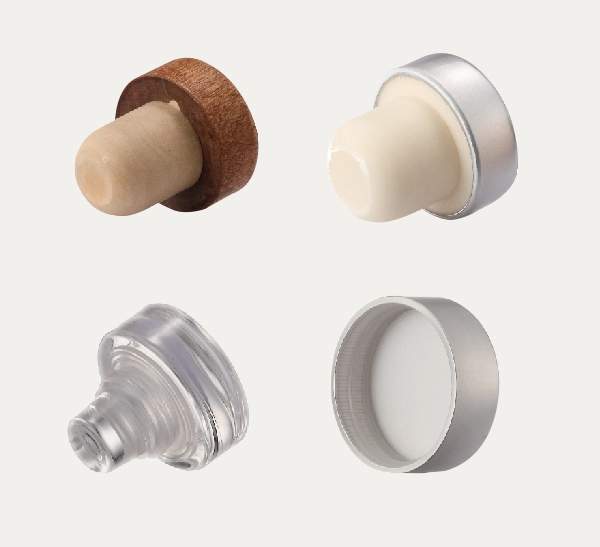
Common closure options include:
Natural cork stoppers
Synthetic cork closures
Wooden-top stoppers
Aluminum screw caps
Customized decorative closures
When selecting a closure, consider sealing performance, opening experience, compatibility with the bottle neck finish, filling line requirements, and the overall packaging design.
The closure should be selected together with the bottle rather than treated as a separate decision at the end of the packaging process.
6. Customization Options for Existing Glass Bottles
Many spirits brands do not need a new bottle mold to create differentiated packaging. Existing glass bottle designs can be customized through several finishing methods.
Custom Logo
Logo decoration can be applied using different methods depending on the bottle design, order quantity, and desired appearance.
Color Spray Coating
Spray coating allows brands to use colors such as black, white, beige, dark blue, and other custom shades. This can help create a distinctive appearance while using an existing bottle shape.
Frosted Glass
Frosted finishes create a softer, more understated appearance and can be combined with other decoration techniques.
Embossed or Printed Decoration
For certain bottle designs, additional surface decoration can create visual depth and improve brand recognition.
Customization should be evaluated based on cost, durability, production feasibility, and order quantity.
7. What Should Buyers Ask a Glass Liquor Bottle Supplier?
Before placing a bulk order, it is important to confirm the details that affect production, filling, transportation, and final product quality.
Glass Liquor Bottle Purchasing Checklist
Bottle capacity and dimensions
Bottle weight and glass thickness
Neck finish and closure compatibility
Glass clarity and appearance standards
Available stock and production lead time
MOQ for bottles and customized decoration
Logo printing or color coating options
Packaging method and pallet loading
Shipping terms and destination port
Samples and quality confirmation before mass production
A professional glass bottle supplier should be able to explain these specifications clearly and help buyers select a suitable bottle for their filling and packaging requirements.
8. How to Reduce Glass Bottle Purchasing Costs
For spirits brands purchasing glass bottles in commercial quantities, the total packaging cost is more important than the bottle price alone.
Consider the following strategies:
Select existing bottle molds to avoid new tooling investment.
Choose bottle designs with practical carton and pallet configurations.
Confirm bottle weight requirements instead of automatically choosing the heaviest design.
Combine bottle and closure sourcing when it improves purchasing efficiency.
Plan orders in advance to avoid urgent production or shipping costs.
Evaluate decoration options based on order quantity and actual branding requirements.
The right balance between bottle appearance, quality, customization, and logistics can help improve packaging cost efficiency without compromising brand presentation.
9. Why Work with an Experienced Glass Liquor Bottle Supplier?
Choosing an experienced glass bottle supplier can simplify the purchasing process, particularly for international spirits brands.
A reliable supplier should offer:
A range of stock liquor bottle designs
Multiple capacities and bottle shapes
Clear glass options, including Super Flint
Logo customization and color coating
Compatible closures and accessories
Export packaging and shipping coordination
Consistent communication throughout production
For buyers sourcing glass bottles internationally, product availability, production coordination, packaging quality, and supplier responsiveness are all important considerations.