Heavy Base vs Lightweight Glass Bottles for Spirits
Article release time:10 2026 Pageview:21
Heavy Base Glass Bottles vs Lightweight Bottles: Which Is Better for Premium Spirits?
When developing packaging for whiskey, vodka, gin, rum, or tequila, bottle weight is an important design consideration.
Some premium spirits brands prefer thick, heavy glass bottles with substantial bases, while others choose lightweight bottles to improve handling efficiency and reduce transportation costs.
Both approaches can support successful spirits packaging, but they serve different commercial and branding objectives.
Heavy base glass bottles are frequently associated with premium product presentation, while lightweight glass bottles are increasingly considered by brands seeking efficient packaging solutions.
So which option is better for your spirits brand?
In this guide, we compare heavy base and lightweight glass bottles, including their design characteristics, branding advantages, cost considerations, and customization possibilities.
1. What Are Heavy Base Glass Bottles?
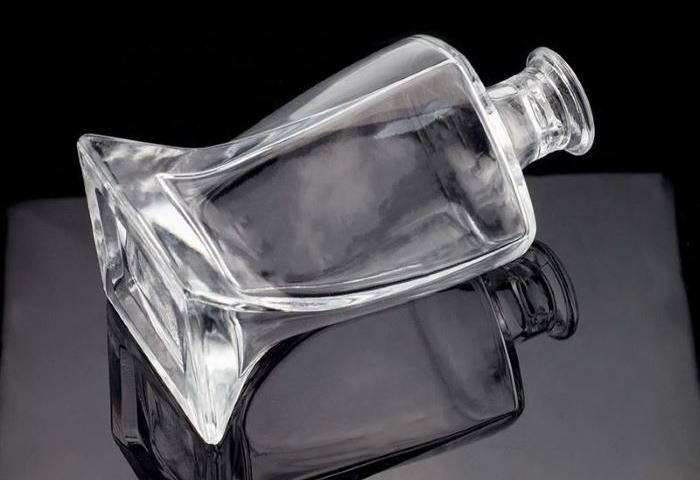
Heavy base glass bottles are glass containers designed with a relatively thick or substantial bottom section.
They are commonly used for premium spirits packaging, particularly whiskey, vodka, gin, rum, and tequila.
A heavy base can create a distinctive visual appearance and give the bottle a substantial feel when handled.
Depending on the design, heavy base bottles may feature:
Thick glass bottoms
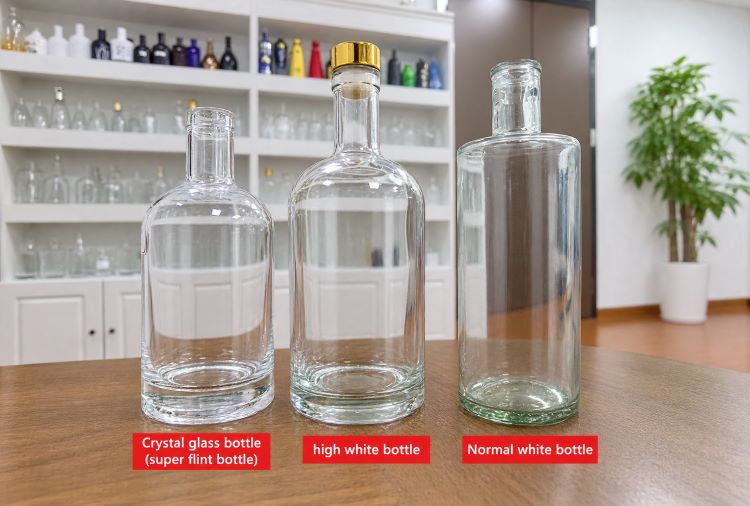
Clear or super flint glass
Square or rectangular shapes
Broad shoulders
Embossed branding
Custom decorative finishes
Cork or screw-cap neck finishes
However, the term heavy base does not refer to a universal weight standard.
Two bottles with the same capacity may have significantly different weights because of their dimensions, glass distribution, and overall design.
For this reason, buyers should compare actual bottle specifications rather than relying only on product descriptions.
2. Heavy Base vs Lightweight Glass Bottles: Key Differences
The following comparison summarizes the main differences between heavy base and lightweight glass bottles.
| Feature | Heavy Base Glass Bottles | Lightweight Glass Bottles |
|---|---|---|
| Bottle weight | Generally heavier | Generally lighter |
| Glass consumption | Usually higher | Usually lower |
| Visual appearance | Substantial, premium-style base | Often streamlined and practical |
| Handling | Heavier to lift and transport | Easier to handle in many applications |
| Shipping weight | Higher per bottle | Lower per bottle |
| Material cost | May be higher | May be lower |
| Custom branding | Available depending on design | Available depending on design |
| Typical positioning | Premium and luxury spirits | Commercial and premium products |
| Environmental considerations | Greater material and transport burden in many comparable designs | Potential material and transport savings |
Neither option is automatically superior.
The best choice depends on the brand's packaging objectives, technical requirements, and commercial priorities.
3. Does a Heavier Glass Bottle Mean Better Quality?
One common misconception is that a heavier bottle is always stronger or higher quality.
In reality, glass bottle performance depends on multiple factors.
These include:
Bottle geometry
Wall thickness distribution
Glass composition
Manufacturing consistency
Annealing quality
Surface condition
Intended filling and handling conditions
A heavy bottle with uneven glass distribution may perform less reliably than a properly engineered lighter bottle.
Similarly, a lightweight bottle can be suitable for commercial use when it has been designed and validated for the intended application.
For buyers, quality should be evaluated through agreed technical specifications and relevant testing rather than bottle weight alone.
4. Heavy Base Glass Bottles for Whiskey Packaging
Whiskey brands frequently select substantial glass bottle designs to support traditional or premium positioning.
Common whiskey bottle styles include:
Square heavy base bottles
Rectangular bottles
Broad-shouldered bottles
Round premium spirits bottles
Custom embossed bottles
Clear super flint glass can complement these designs by allowing the color of the whiskey to remain visible.
The combination of a thick base, distinctive bottle silhouette, and carefully selected closure can create a refined packaging appearance.
For whiskey brands developing custom packaging, bottle balance and pouring comfort should also be considered.
5. Heavy Base Glass Bottles for Vodka, Gin, and Tequila
Heavy base designs are not limited to whiskey.
They are also used for several other spirits categories.
Vodka Bottles
Premium vodka brands may prefer tall cylindrical or rectangular bottles with clear glass and thick bases.
Frosted decoration and minimalist printing are also common design choices.
Gin Bottles
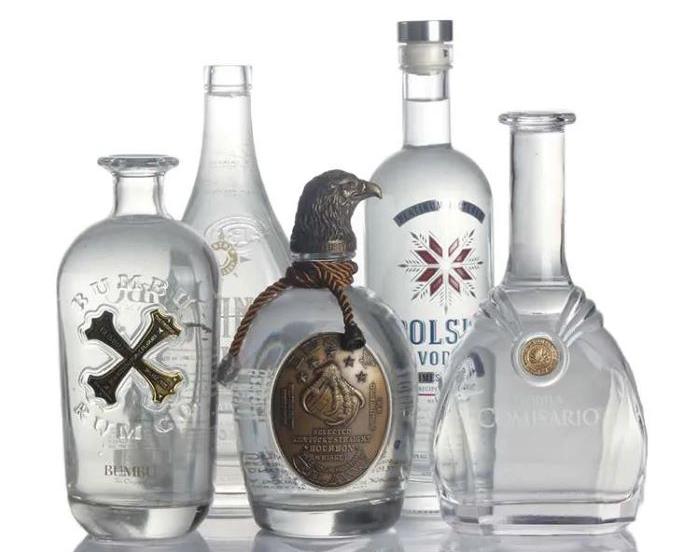
Gin brands often experiment with distinctive bottle shapes and decorative finishes.
A heavy base can be incorporated into both classic and contemporary designs.
Tequila Bottles
Premium tequila packaging frequently emphasizes bottle shape and visual identity.
Square bottles, embossed logos, and substantial bases can support a distinctive appearance.
The appropriate design depends on the target market, brand positioning, and packaging requirements.
6. Custom Heavy Base Glass Bottles: OEM Design Options
For brands seeking distinctive packaging, custom glass bottle development offers several possibilities.
Custom Bottle Shapes
Manufacturing partners may be able to develop bottle shapes based on approved technical drawings.
Heavy Bottom Design
The base geometry and glass distribution can be evaluated according to the desired appearance and production requirements.
Embossed Logos
Brand names, symbols, and decorative elements can be incorporated into suitable glass bottle designs.
Premium Glass Materials
Super flint glass may be selected for brands prioritizing high clarity and refined visual presentation.
Decorative Finishes
Depending on the project, available options may include printing, frosting, coating, and other surface decoration processes.
Before proceeding with a custom mold, buyers should confirm technical feasibility, sample requirements, tooling costs, and minimum order quantities.
7. Sourcing Premium Spirits Bottles With BOLI GLASS
BOLI GLASS is a China-based glass bottle trading and export company specializing in premium glass packaging for international B2B buyers.
We work with manufacturing partners to source and coordinate glass bottle projects for whiskey, vodka, gin, rum, tequila, and other spirits.
Our sourcing range includes:
Premium super flint glass bottles
Heavy base liquor bottles
Standard spirits bottle designs
Custom bottle shapes
Embossed logo options
Decorative glass finishes
OEM packaging coordination
For many bulk glass bottle projects, our typical minimum order quantity starts from approximately 6,000 pieces, depending on product specifications and customization requirements.
We can help buyers compare existing bottle designs and discuss custom packaging options based on their project needs.
8. Frequently Asked Questions
What is a heavy base glass bottle?
A heavy base glass bottle has a relatively thick or substantial glass bottom, often used to create a premium appearance in spirits packaging.
Are heavy glass bottles better for whiskey?
Heavy glass bottles can support premium whiskey branding, but the best design depends on brand positioning, technical requirements, and commercial considerations.
Are lightweight glass bottles more fragile?
Not necessarily. Bottle strength depends on design, glass distribution, manufacturing quality, and application-specific testing, not simply total weight.
Can 750ml liquor bottles have heavy bases?
Yes. Many 750ml spirits bottle designs feature thick bases, although actual bottle weight varies by model.
Does super flint glass make a bottle heavier?
Not inherently. Super flint generally describes a premium clear glass appearance, while bottle weight depends primarily on the design and glass distribution.
Can I customize the weight of a glass bottle?
Bottle weight may be adjusted during design development, subject to manufacturing feasibility, performance requirements, and tooling considerations.
What is the MOQ for custom heavy base glass bottles?
Minimum quantities vary. At BOLI GLASS, many bulk projects typically start from approximately 6,000 pieces, depending on the design and customization requirements.
Looking for Custom Heavy Base Glass Bottles?
BOLI GLASS provides premium glass bottle sourcing and OEM customization coordination for international spirits brands and packaging buyers.
Whether you need a heavy base whiskey bottle or a custom lightweight spirits bottle, our team can help you explore suitable packaging options.
Website: https://bolibottle.com
Request a Quote: Share your bottle capacity, preferred design, target weight, order quantity, and destination country to discuss available options.