How to Choose a Custom Glass Bottle Manufacturer in China
Article release time:9 2026 Pageview:16
How to Choose a Custom Glass Bottle Manufacturer in China: A Complete Guide for Brands
Choosing the right custom glass bottle manufacturer is an important decision for beverage companies, distilleries, and packaging buyers. A glass bottle is more than a container. It plays a key role in product protection, brand identity, shelf appeal, and customer experience.
For businesses sourcing glass packaging internationally, China offers a wide range of manufacturing and customization options, from standard glass bottles to premium designs with heavy bases, embossed logos, and decorative finishes.
However, not every supplier offers the same glass quality, production capabilities, or customization services.
In this guide, we explain how to evaluate a custom glass bottle manufacturer in China, what to consider before placing a bulk order, and how to select suitable packaging for your brand.
1. Understand Your Glass Bottle Requirements
Before contacting a glass bottle supplier, it is important to identify your packaging requirements.
Different products require different bottle shapes, capacities, closures, and glass specifications.
Common applications include:
Spirits: Glass bottles for vodka, whiskey, gin, rum, tequila, and other alcoholic beverages.
Olive Oil: Clear, dark-colored, or decorated glass bottles designed for edible oil packaging.
Water and Beverages: Glass bottles for mineral water, premium drinking water, and non-carbonated beverages.
Specialty Products: Custom bottles for syrups, fragrances, and other compatible liquid products.
You should also determine your preferred bottle capacity.
Popular sizes include 330ml, 500ml, 700ml, 750ml, and 1000ml, although availability depends on the bottle design and intended application.
Providing these specifications early can help suppliers recommend suitable existing molds or evaluate a new design.
2. Choose the Right Glass Material
Glass quality affects the appearance and positioning of your product.
For premium beverage packaging, manufacturers and suppliers may offer different grades of clear glass, including flint and super flint glass.
Super Flint Glass for Premium Packaging
Super flint glass is commonly selected for premium spirits and other high-end packaging applications because of its clear appearance.
Potential benefits include:
High visual clarity
Attractive presentation of the bottle contents
Compatibility with premium decorative finishes
Suitability for heavy-base bottle designs
A refined appearance for high-end beverage brands
However, glass clarity alone does not determine overall bottle quality.
Buyers should also evaluate dimensional consistency, wall thickness, internal defects, closure compatibility, and quality inspection standards.
When comparing suppliers, request physical samples and confirm the material specifications for the exact bottle model.
3. Evaluate Custom Glass Bottle Design Capabilities
One of the main advantages of working with a custom glass bottle supplier is the ability to create packaging that reflects your brand identity.
Common customization options include:
Custom Bottle Shapes
Brands can develop distinctive bottle shapes to differentiate their products.
For example, whiskey brands may prefer heavy-base bottles with broad shoulders, while gin brands may select cylindrical or rectangular designs.
Developing a new bottle shape typically requires mold design, technical drawings, sampling, and production validation.
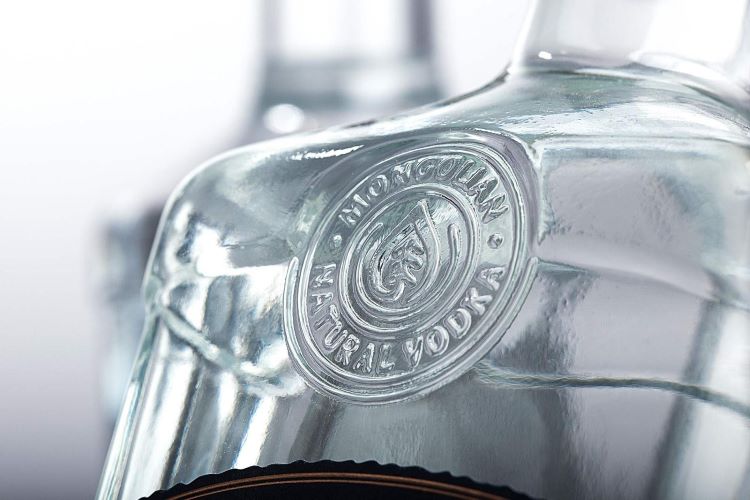
Embossed and Debossed Logos
A brand logo can be incorporated into the bottle surface through embossing or debossing.
These techniques can create a more distinctive appearance than conventional paper labels.
Bottle Color and Surface Decoration
Depending on the bottle design and production requirements, available decoration methods may include:
Screen printing
Frosted finishes
Color spraying
Metallic decorative finishes
Label application
Embossed branding
The best decoration method depends on the product's positioning, budget, design complexity, and intended use.
4. Compare Existing Molds and Fully Customized Bottles
Not every project requires a completely new glass bottle mold.
For many growing beverage brands, selecting an existing bottle design and adding custom decoration can be a practical starting point.
Existing Mold Bottles
Advantages may include:
No new bottle mold development
Shorter preparation time
Easier sample evaluation
Lower initial development costs
Fully Customized Glass Bottles
A new mold may be appropriate when a brand requires a unique bottle silhouette, specialized branding features, or distinctive dimensions.
Custom development generally involves:
Reviewing the bottle concept and technical requirements.
Preparing or confirming 2D and 3D drawings.
Evaluating the mold design and production feasibility.
Developing and approving samples.
Confirming packaging and quality requirements.
Proceeding with bulk production.
The exact process and timeline depend on the complexity of the bottle.
5. Understand Minimum Order Quantities
Minimum order quantity, or MOQ, is an important factor when purchasing custom glass bottles.
MOQ requirements vary depending on bottle specifications, mold availability, decoration methods, and production arrangements.
At BOLI GLASS, the typical minimum order quantity for many bulk glass bottle projects starts at approximately 6,000 pieces, subject to product specifications and customization requirements.
For businesses evaluating packaging options, it is helpful to provide the following information when requesting a quotation:
Required bottle capacity
Estimated order quantity
Preferred bottle shape
Glass color or material
Logo and decoration requirements
Closure type
Destination country or port
Clear specifications allow the supplier to assess feasibility and prepare a more relevant quotation.
6. Check Bottle Quality and Closure Compatibility
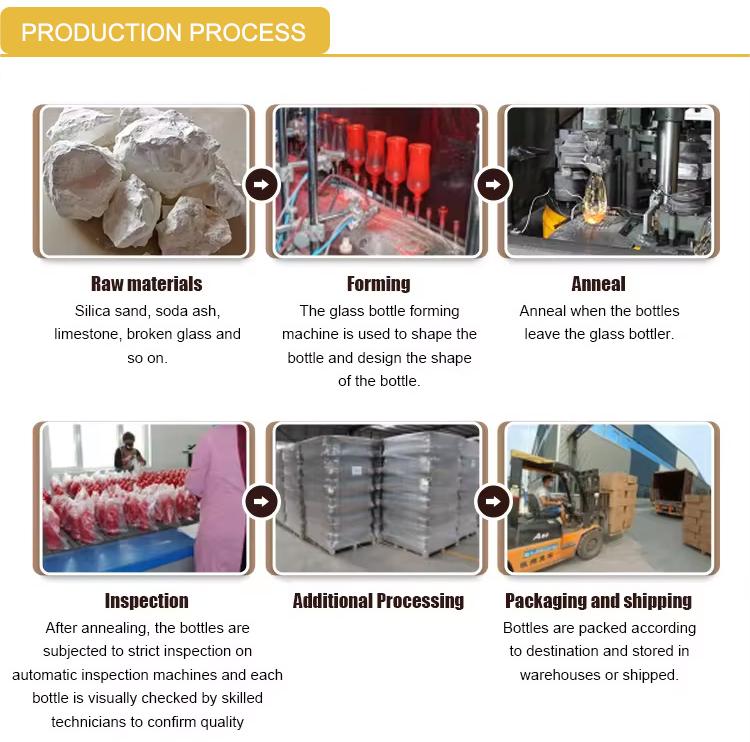
Glass bottle quality should be evaluated beyond visual appearance.
For commercial beverage packaging, important considerations include:
Dimensional Accuracy: Bottle height, diameter, capacity, and neck finish should meet the agreed specifications.
Closure Compatibility: The bottle neck must match the selected screw cap, cork, synthetic stopper, or other closure system.
Glass Consistency: Inspect samples for visible defects, unwanted bubbles, cracks, and inconsistent wall thickness.
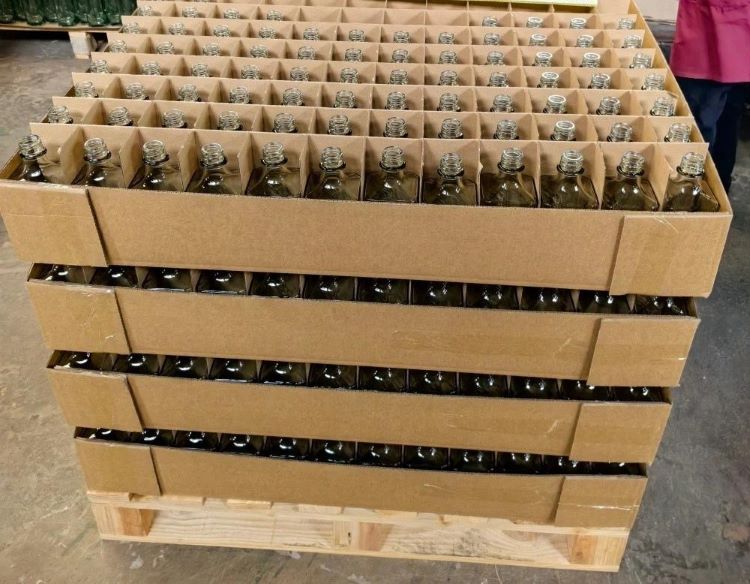
Packaging Protection: Export cartons, dividers, and pallets should be suitable for the bottle weight, shape, and transportation conditions.
Product Suitability: Confirm that the bottle and closure system are suitable for the intended contents and filling process.
For carbonated beverages or pressure-generating products, additional pressure-resistance testing and application-specific validation may be necessary. Ordinary non-pressurized glass bottles should not be assumed suitable for these uses.
7. Consider International Shipping and Packaging
For overseas buyers, packaging and logistics can significantly influence the total landed cost.
Glass bottles are relatively heavy and require protective packaging during international transportation.
Before confirming an order, discuss:
Carton dimensions and quantity per carton
Palletized or non-palletized loading
Estimated container loading quantities
Export packaging requirements
Loading port and destination port
Incoterms such as FOB or CIF
Container loading capacity varies considerably depending on bottle dimensions, weight, packaging configuration, and transport limitations.
Request a loading estimate based on the exact bottle specification rather than relying on generic capacity figures.
8. Frequently Asked Questions
What is the MOQ for custom glass bottles?
Minimum order quantities depend on the bottle design and production requirements. At BOLI GLASS, many bulk glass bottle projects typically start from approximately 6,000 pieces.
Can I customize an existing glass bottle with my logo?
Yes. Depending on the bottle and decoration requirements, existing bottle designs can often be customized using printing, labeling, frosting, or other decorative processes. Molded embossing may require a dedicated mold.
What is the difference between flint glass and super flint glass?
Both terms are commonly used in glass packaging to describe clear glass grades. Super flint generally refers to glass with a premium clear appearance, although terminology and specifications may vary between suppliers.
Can glass bottles be customized for whiskey, vodka, or tequila?
Yes. Custom spirits bottles can be developed with different shapes, capacities, base designs, decorative finishes, and compatible closures.
How long does custom glass bottle production take?
Lead time depends on mold availability, bottle design, decoration requirements, production scheduling, and order quantity. Request a project-specific timeline before placing an order.
Looking for Custom Glass Bottles for Your Brand?
BOLI GLASS provides premium glass bottle sourcing and customization solutions for international B2B buyers.
Explore our glass packaging options and discuss your bottle requirements with our team.
Website: https://www.bolibottle.com
Request a quotation: Share your preferred bottle capacity, quantity, design, and destination country to discuss available options.