2026 Glass Olive Oil Bottle Trends | Sustainable & Custom Packaging by Boli Bottle
Article release time:8 2026 Pageview:139
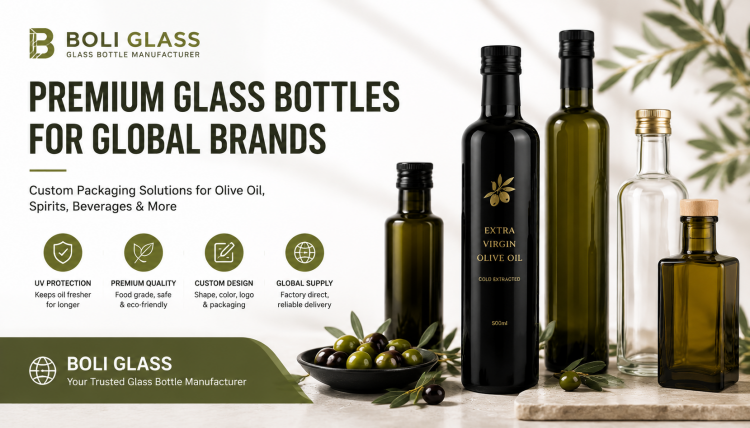
For olive oil producers and private-label distributors, staying ahead of packaging innovations is key to maintaining a competitive edge on retail shelves and e-commerce platforms. Here is an in-depth breakdown of the major trends shaping glass olive oil bottle design and wholesale manufacturing in 2026.
1. Lightweighting: Reducing Carbon Footprint Without Sacrificing Strength
One of the most significant shifts in 2026 glass manufacturing is advanced lightweighting. Historically, heavy glass was associated with luxury, but modern logistics costs and stringent global environmental regulations have changed the dynamic.
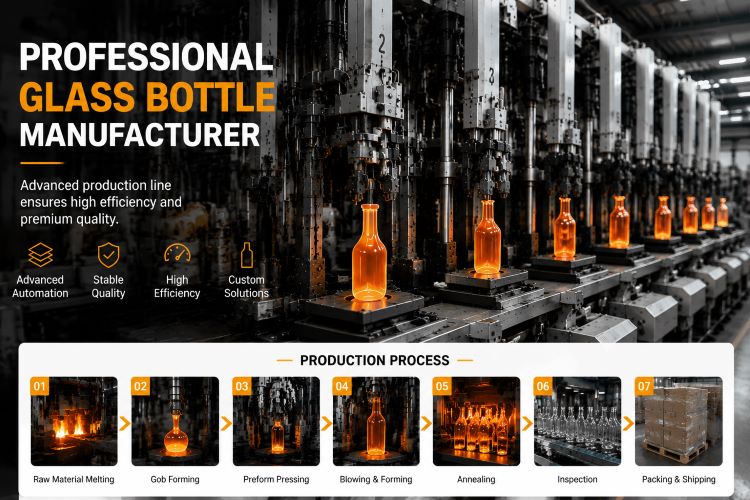
Narrow Neck Press and Blow (NNPB) Technology: Advanced molding processes allow manufacturers to achieve uniform wall thickness, reducing overall glass weight by 15% to 25% while maintaining structural integrity.
Lower Freight Emissions & Costs: Lighter bottles mean lower shipping weight per pallet, significantly reducing fuel consumption, carbon emissions, and ocean freight costs.
Uncompromised Quality: Next-generation lightweight bottles maintain the high-end tactile feel consumers expect while aligning with corporate ESG targets.
2. High PCR (Post-Consumer Recycled) Glass Integration
Circularity is at the forefront of 2026 packaging trends. Olive oil brands are actively seeking high-content PCR glass bottles to appeal to eco-conscious consumers.
The Rise of Recycled Content in Olive Oil Bottles:
Dark green and antique green olive oil bottles naturally accommodate higher percentages of cullet (recycled glass)—often reaching 60% to 80% PCR content in 2026. Using recycled glass lowers melting temperatures in furnaces, drastically reducing energy usage and greenhouse gas emissions during production.
3. Tactile Aesthetics & Premium Surface Finishes
With shelf clutter increasing, brands in 2026 are turning to tactile surface finishes that encourage physical engagement on retail displays:
Matte & Satin Spray Coating: Frosted dark green or deep amber finishes create a contemporary, ultra-premium look while providing an additional UV light shield.
Direct-to-Glass Ceramic Printing: Screen-printed designs using eco-friendly organic inks eliminate paper label tearing and grease staining during kitchen use.
3D Embossed Branding: Integrated raised lettering and custom logos directly on the glass shoulders provide a permanent mark of authenticity.
4. Smart Closures & Anti-Counterfeiting Features
Extra Virgin Olive Oil remains one of the world's most adulterated food products. In 2026, functional closures play a double role: ensuring non-drip pouring and protecting brand integrity.
Anti-Refill (DOP) Fitments: Specialized pourer necks that prevent the bottle from being refilled with lower-grade oil once emptied.
Smart QR & NFC Integration: Caps and labels featuring embedded QR codes allowing consumers to scan and trace the batch's harvest date, olive origin, and lab purity certificates directly on their smartphones.

Future-Proof Your Olive Oil Packaging for 2026
Ready to explore lightweight options, custom embossing, and high-PCR dark green glass bottles?
👉 Visitwww.bolibottle.comtoday to request a 2026 packaging sample kit!